
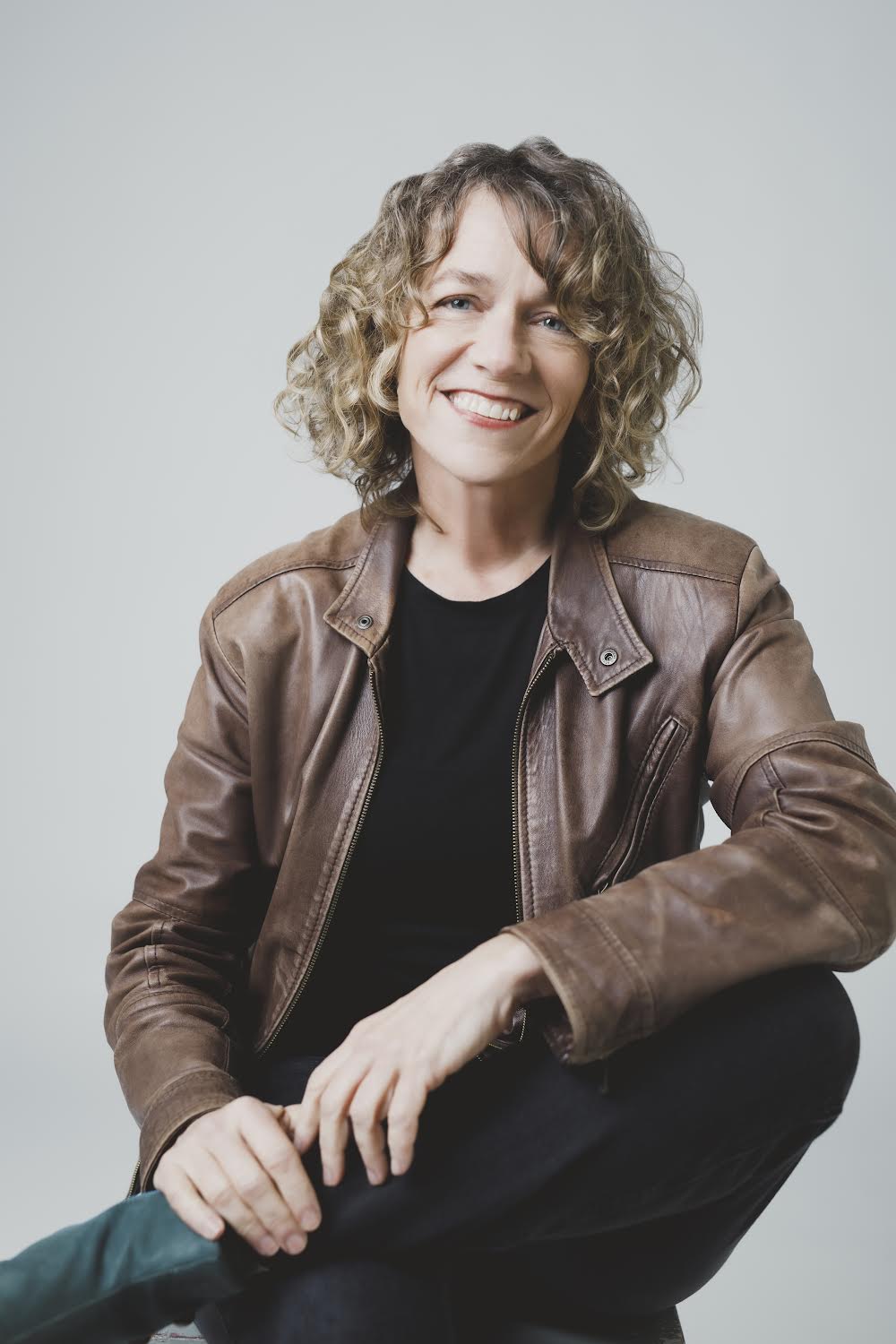
Robin Stevenson
Robin Stevenson is an award-winning queer Canadian author of more than thirty-five books for young readers. She has written non-fiction about queer history, activism, and rights; novels for teens and children; and picture books for the youngest readers. A couple of her titles include the critically acclaimed middle grade novel, The Book of Jupiter, and the non-fiction Queer History A-Z. Robin’s next picture book comes out in 2027: Pride Puppy Countdown, illustrated by Julie McLaughlin, is a companion book to the bestselling picture book Pride Puppy. Robin has a master’s degree in social work, and worked as a counselor, group facilitator and social work instructor for ten years before beginning to write while on parental leave
Robin’s books have won the Silver Birch Award, the Sheila A. Egoff award and a Stonewall Honor, and been finalists for the Governor General’s Literary Awards, the Lambda Literary Awards, four BC Book Prizes, and many reader’s choice awards. Her work has received numerous starred reviews, and been translated and published in more than ten countries. In 2023, she was awarded the BC Lieutenant Governor’s Award for Literary Excellence in recognition of her body of work and her contributions to the literary community.
Robin is a vocal advocate for reader’s rights and a strong voice in opposing censorship and book bans. She was named as the 2022 Champion of Free Expression by the Book and Periodical Council of Canada. She has faced challenges to many of her books, and in 2025, her picture book Pride Puppy was at the center of a US Supreme Court case, Mahmoud v. Taylor. She regularly speaks about books and writing, about 2SLGBTQ+ inclusion in schools and libraries, and about issues related to censorship and book bans.
Speaking Topics
Robin is available for keynotes, conference sessions, festivals, writing workshops and panels, professional development, and consulting.
For Educators & Librarians
- Getting Kids and Teens Excited about Writing
Drawing on twenty years of experience as a writing instructor, writer-in-residence and school presenter, Robin will share tips for engaging and inspiring young writers—including the reluctant writers—of all ages.
- Protecting Diverse Kid Lit: Books, Bans and Backlash
Amidst anti-LGBTQ+ backlash and book challenges, many authors, publishers, librarians and educators are refusing self-censorship, building networks of support, and advocating for diverse books and readers’ rights. Inclusive books help students see themselves, understand others, and feel a sense of belonging. As anti-LGBTQ+ hate rises, representation is an important part of creating safe and welcoming spaces in classrooms and libraries.
- Pride, Inclusion and Belonging: The Importance of LGBTQ+ Representation
Inclusive books help students see themselves, understand others, and feel a sense of belonging. As anti-LGBTQ+ hate rises, representation is an important part of creating safe and welcoming spaces in classrooms and libraries.
- Writing, Reading, and Resisting: How Stories Help Light the Way Forward
Stories of resistance can be used to inspire reflection and action, to show students the power of words, and to empower young people to tell their own stories and make their voices heard.
For Writing Conferences & Festivals
- Writing as Resistance
Telling the Stories We Need to Tell: Storytelling has the power to ignite change—but in an era of book bans, online hostility, and backlash against diverse stories, writing can be difficult. Author Robin Stevenson knows this firsthand: many of her books have been challenged for their LGBTQ+ content. Join her for a conversation on writing as a form of activism. How do we resist the urge to self-censor? And how do we stay true to our voices and tell the stories we want to tell?
- Co-writing and Creative Collaboration
Drawing on her experience co-authoring novels and collaborating on picture books, Robin will lead the group in writing exercises, discuss potential challenges, and share strategies to keep co-writing enjoyable and rewarding.
- The Magic of Revision
Finishing the first draft of your novel is just the beginning. But revision doesn’t have to be a chore: it can be exciting and rewarding, and when it goes well, it can feel downright magical. Drawing on her experiences as a writer, editor and writing instructor, Robin will discuss techniques to gain distance from your draft, find the emotional heart of your story, identify weak spots in character, plot and pacing, troubleshoot common problems, and increase the narrative tension.
- Writing Queer-Inclusive Books for Young Readers of All Ages
Fiction or non-fiction, from toddlers to adults: all our readers need books that reflect their lives and the world they live in. So how can writers — regardless of their own identities — ensure their writing is inclusive of the diverse LGBTQ+ community?
For Organizations, Employee Events, and Lunch-and-Learns
- The Pride Puppy Case: Lessons Learned
Robin will share the story of what happened when her picture book Pride Puppy found itself at the US Supreme Court—and what she learned about book challenges, fighting back, staying safe, and protecting creativity and resilience. There are lessons for all of us: in an era marked by online hostility, and intense backlash against diversity, equity and inclusion, how do we resist the urge to self-censor? And how do we stay true to our voices and our beliefs?
Robin in the Media
A Canadian Picture Book at the U.S. Supreme Court | The Agenda with Steve Paikin on TVO
Velshi Banned Book Club on MSNBC
Pride Puppy Author Talks LGBTQ+ Book Bans and SCOTUS case, on Boom! Lawyered podcast:
Macleans Magazine: How My LGBGQ+ Kids’ Book Ended up at the US Supreme Court
You Can’t Read That: Banning kids’ books in Canada and the United States, from PEN Canada
Interview in Vancouver Sun about Pride: The Celebration and The Struggle
Testimonials
“Robin was the keynote speaker at the Children and Teen Services conference for library staff. She presented on the topic of young people’s right to read and the challenges to this right. The presentation was factual, educational and powerful. In addition to presenting, Robin facilitated a group exercise for staff on how to better support 2SLGBTQ+ youth and families in our communities. Participants were able to openly share and learn from each other because Robin created a positive learning space. I definitely recommend Robin as a speaker and facilitator.” – Ashley Machum, Head of Youth Services, Okanagan Regional Library, Kelowna, BC
“Robin was a dynamic and engaging speaker and presenter who connected so well with audiences of all ages. From a host perspective, Robin was also an absolute dream to work with – responsive, flexible and generous with her time and so much fun to be around. She is easy to recommend as an author, as a presenter and as a workshop leader!” – Deb Isbister, Red Deer Library
“I’ve had the pleasure of working with Robin as a keynote speaker and a program facilitator, and appreciate her understanding of our roles as educators, and navigating systems to ensure that all students see themselves and their peers reflected through literature. Robin is extremely knowledgeable about the experiences, rights, and histories of Two-Spirit and LGBTQIA+ humans, and always works to center lived experiences of intersectional identities in all of her work. I highly recommend her as a speaker and facilitator for both students and educators.” – Eliza Hynes, Resource Teacher – Indigenous Education, Anti-Racism, Anti-Oppression and Community Partnership, Peel District School Board
“Robin is a dynamic and thoughtful speaker who was part of author events at my university that were engaging and deeply relevant. The events sparked meaningful conversations about writing for young adults and children, censorship issues we face today, queer representation in literature, and the power of inclusive storytelling. She brought warmth, insight, and a strong sense of purpose to our library’s events—an invaluable voice in today’s cultural landscape.” – Joseph Hafner, Dean of Libraries, York University
“Hosting Robin at the library for an evening discussion about the censorship of LGBTQA2S+ materials was eye-opening for everyone involved. She was knowledgeable, personable, and presented her information in a manner accessible and relatable to everyone in the audience, from teens to seniors.” – Wendy Wright, Director of Smithers Public Library, BC, senior fellow at the Canadian Center for Free Expression
To book Robin Stevenson, contact Rob Firing at speakers@transatlanticagency.com.

Danny Ramadan
Danny Ramadan is a Syrian-Canadian author and LGBTQ+ refugees’ advocate. His memoir Crooked Teeth received raving reviews and was nominated for the Governor General’s Award for Non-Fiction. His latest novel, The Foghorn Echoes, won the Lambda Literary Award for Gay Fiction and was nominated for both the BC & Yukon Book Prizes and the City of Vancouver Book Award. His debut novel, The Clothesline Swing, won the Independent Publisher Book Award, was longlisted for Canada Reads, and has been translated into multiple languages.
Ramadan is also the author of the award-winning Salma children’s series, which has received the Nautilus Book Award, the Publishing Triangle Award, the Middle East Book Award, and numerous other accolades.
Since arriving in Canada, he has raised over $300,000 to support LGBTQ+ refugees, securing safe passage for more than two dozen queer and trans individuals. He holds an MFA in Creative Writing from UBC and an Honorary Doctorate in Humane Letters from Adler University.
He lives in Vancouver with his husband and two dogs — and when he’s not writing, he’s probably playing video games.
Speaking Topics
Exploring Identity, Storytelling, and Social Justice through Lived Experience
The Immigration Journey
Ramadan speaks thoughtfully and with lived experience about the journey of immigration — from the personal realities of leaving Syria and building a new life in Canada, to the broader challenges faced by refugees and newcomers. Blending memoir-style storytelling with current research, he explores the emotional, political, and cultural impact of migration. His tone is candid, compassionate, and often humorous, offering space for honest conversations about belonging, identity, and resilience.
Intersectionality in Activism and the Writing Life
With a deep understanding of layered identities, Ramadan offers insights into how intersectionality can shape both creative work and community advocacy. Whether he’s discussing the role of intersectionality in building inclusive movements or developing fully realized characters on the page, his approach is clear, grounded, and inviting. Ramadan’s background as a writer, activist, and union leader allows him to navigate this topic with nuance, making complex ideas accessible and engaging for a wide range of audiences.
Writing Across Genres: Craft, Editing, and Storytelling Tools
As a writer of novels, memoir, and children’s literature, Ramadan brings a multi-genre perspective to conversations about writing craft. He speaks about narrative structure, editing strategies, voice, and revision, offering practical tools for writers at any stage of their career. His sessions are accessible, flexible, and often shaped by the needs of the audience — whether they’re new writers in classrooms or professionals in literary spaces. Ramadan’s style is friendly, generous, and focused on growth rather than perfection.
Queerness and Identity
Ramadan brings warmth, openness, and clarity to conversations around queerness — both as a lived experience and as a lens through which to view art, culture, and personal growth. He reflects on his own journey as a queer man from the Middle East and how it has shaped his voice, community, and storytelling. His talks offer space for vulnerability, joy, and honest reflection, making them especially resonant in educational and community-focused settings.
To book Danny Ramadan, contact Rob Firing at speakers@transatlanticagency.com.
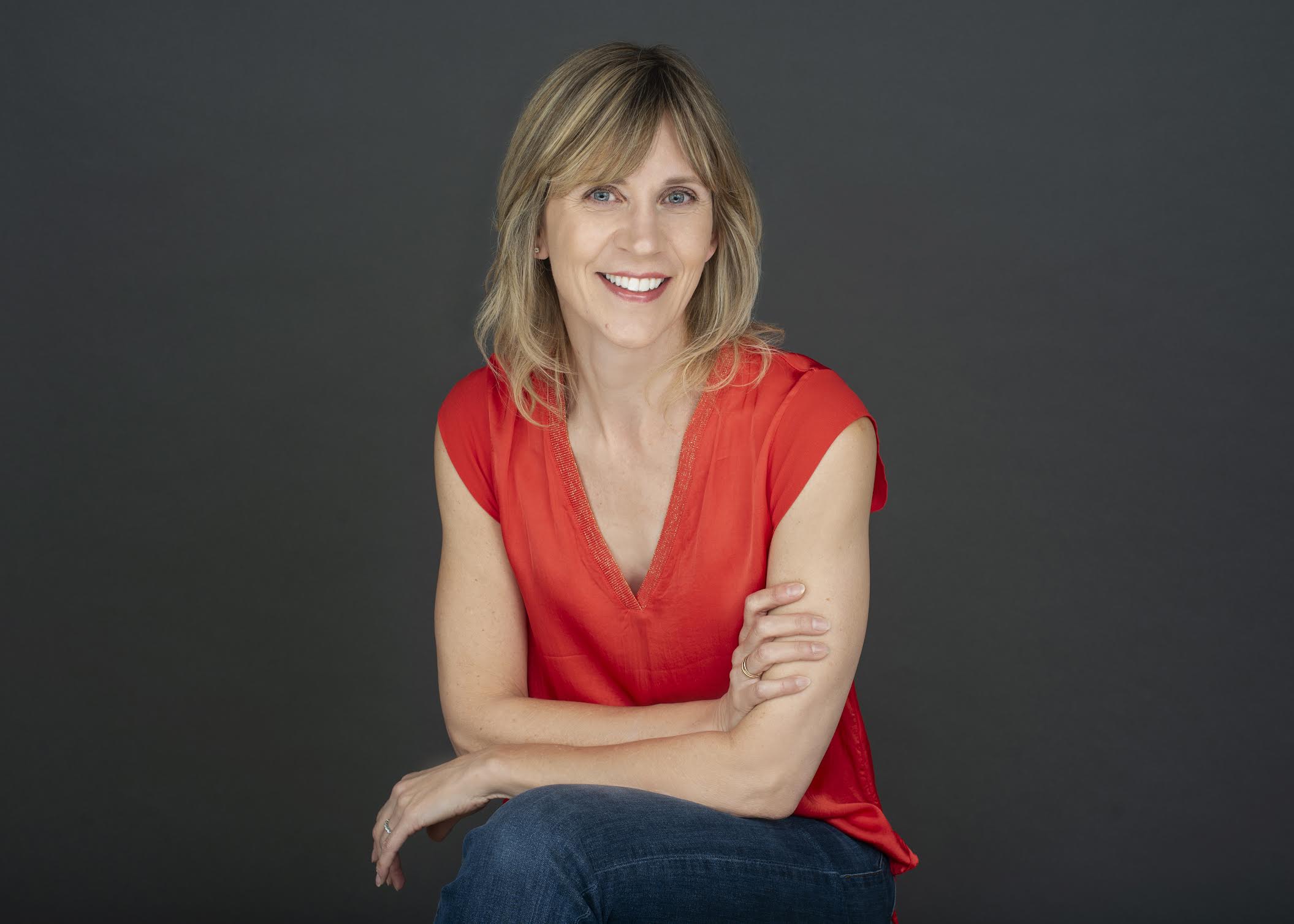
Karen van Kampen
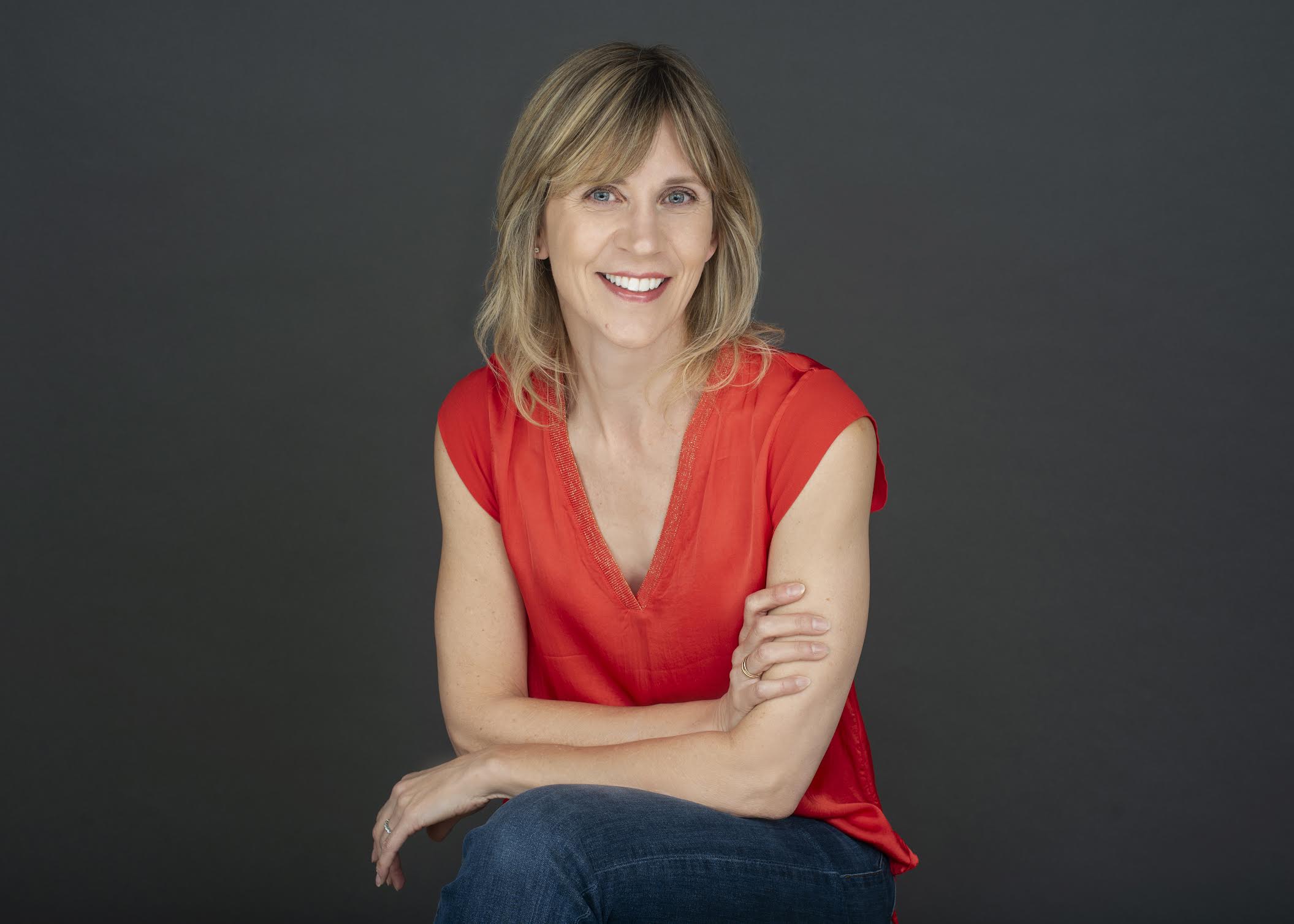
Karen van Kampen is an author, creative writing instructor and award-winning journalist who has built a career on writing, sharing and listening to stories. She focuses on the art and science of storytelling to educate, inspire and connect to gain new perspectives and boost well-being.
In The Brain Never Sleeps: Why We Dream and What it Means for our Health (Simon & Schuster Canada, 2026), Karen guides readers on a journey through dreamland to discover why dreams matter and how we can reclaim this alternate realm of experience. Her interest in dreams began at the age of nine when her dad opened one of the first independent sleep laboratories in Canada and she was his first lab assistant, practising electrode hook up and testing. She went on to work on the business side of sleep for more than 15 years.
Karen offers insightful and engaging talks on the power of human story in the age of AI. Karen leads interactive workshops for individuals and companies to learn the essential elements of a compelling story that connects and inspires audiences, taking their ideas from concept to podium. Karen explores how we can harness our natural superpower of sleep to improve our well-being and shares how we can use dreams as a creative brainstorming tool in business and in life. Karen has audiences create their own dreamer toolkit to reveal their concerns, reduce nightmares and benefit from the insights and self-awareness of dreams.
She is the author of The Golden Cell: The Quest for the Next Great Medical Breakthrough (HarperCollins), which garnered extensive media coverage. Her writing has appeared in various publications including The Globe and Mail, National Post, Flare magazine, FASHION magazine and Reader’s Digest. She has worked as a writer and editor at several magazines and newspapers. Karen teaches creative non-fiction and science and public health writing at the University of Toronto.
Speaking Topics
Storytelling: The Power of Human Story in the Digital Age
Discover why human stories have the power to strengthen learning, empathy and well-being. Learn how we are wired to communicate and connect through story, empathizing with characters and gaining personal insights. Discover how storytellers and listeners share similar brain activity as a story unfolds and the “narrative transport” of storytelling that connects people emotionally. Learn the art of strategic storytelling, the essential elements of a compelling story and how to package your story to make it your own. Practical tips on effective communication to build a digital presence, make big ideas resonate and find your voice to influence, inspire and make a meaningful impact.
Storytelling as a Business Tool
Learn the importance and impact of compelling stories to build brands, become a trusted voice and drive change. Hands-on instruction to develop your voice as a leader and communicator, craft your message and shape your story to connect with your target audience and achieve your strategic goals. Learn how meaningful, authentic stories create a dynamic and engaged work culture and build a loyal audience that lives your brand. Tips on creating valuable content that meets customer wants, needs and challenges. Explore the power of story-based advocacy to drive social change.
Sleep, Dreams and Well-being: Build a Work Culture that Prioritizes Sleep and Well-being
Sleep fuels the body and the mind, just like food. Learn how sleep and dreams can improve workplace productivity, job satisfaction and employee retention. Adopt healthy sleep habits and create your own sleep system to gain health and wellness benefits in your personal and professional lives.
The Dream Dimension: Why we Dream and How to Use Dreams to Improve our Waking Lives
Explore the connection between dreams and waking life to reveal your preoccupations, concerns and state of mind. Uncover possible functions and many benefits of dreaming. Investigate dream engineering to guide your dreams, reduce nightmares and harness their creative power to solve problems and gain new insights.
Night Shift: What Our Work Dreams are Trying to Tell Us
Explore common work dreams, their impact on productivity and happiness, and what happens to our sleep and dreams if we try to suppress work anxieties. Gain strategies on how to combat and manage work stress dreams. Create your own dreamer’s toolkit of high-tech and low-tech dream tools to harness the benefits of your dreams for your health and well-being.
To learn more about Karen’s business storytelling and consulting work, visit her consulting website. Through Daring and Kind, Karen partners with organizations and individuals to craft authentic narratives that connect, influence and drive meaningful change. The site offers insight into her consulting approach, client collaborations, and how story can be used as a powerful tool for leadership, innovation and impact.
To book Karen van Kampen, contact Rob Firing at speakers@transatlanticagency.com.

Pauline Dakin
Pauline Dakin is the bestselling author of Run, Hide, Repeat: A Memoir of a Fugitive Childhood which won the prestigious 2018 Edna Staebler Prize for Creative Non-fiction. It was also named one of the best 100 books of 2017 by The Globe and Mail.
Run, Hide, Repeat is also the subject of a five-part podcast series of the same name with CBC Podcasts. Amazon called it one of the best podcasts of the year.
In addition, the memoir is the subject of an upcoming feature documentary and is being adapted as a feature film.
Pauline is a professor of journalism at the University of King’s College, where she specializes in teaching audio and podcasting. She is a fellow of the MIT/Knight Science Journalism program (Cambridge, Mass.) on Medical Evidence.
She’s an award-winning journalist who was for many years a trusted voice on health and medical issues as a reporter for CBC National News. She was also the long-time host of the CBC regional documentary program Atlantic Voice.
Pauline’s reporting and documentary work have been recognized with many regional and national awards.
She lives in Halifax with her husband and their two dogs.
Speaking Topics:
Resilience and Overcoming Hardship (Mental Health)
Resilience, or the ability to cope with and recover from difficulties, is one of the fastest-growing and evolving areas of psychological research. Pauline Dakin shares the story of her chaotic childhood as a lens through which to examine the factors that confer resilience, and approaches that can help people develop it in their own lives. Pauline was told her family was on the run from the Mob, necessitating secret moves without goodbyes to family and friends. The truth was even more bizarre, launching a years-long quest for answers and acceptance.
Delusional Disorder: The Worst Mental Illness You Never Heard Of (Mental Health)
After Pauline published her memoir Run, Hide, Repeat, detailing the exquisitely complex and nuanced delusions that hijacked her family’s lives, she heard from people around the world who’d had similar, if less dramatic experiences. They were relieved to have a possible explanation. Delusional disorder is under-recognized and under-studied, and can be present in people who are high-functioning and appear normal. Because it’s hard to spot, it can pose particular risks to families caught up in the dysfunction. Delusional disorder has been suggested as a diagnosis for cult leader Jim Jones who lead the mass murder/suicide at Jonestown, Guyana in 1978, or more recently the man responsible for the 2020 mass murder in Nova Scotia. Learn about the sub-types of delusional disorder and the remarkable and sometimes horrifying ways in which they impact sufferers and those around them.
Podcasting: Connection for the Ears (Technology and Media)
Everyone wants to make a podcast. This still-growing medium is a way to deeply connect with audiences, whether for journalistic, educational, or marketing purposes. But podcasting is a noisy environment, with millions available to stream and the vast majority of them not connecting. Pauline is the host, co-writer and co-producer of the podcast Run, Hide, Repeat, based on her book of the same name. Amazon named it one of the best podcasts of 2022, and it was the #1 podcast on Apple Podcasts. Learn about the podcasting landscape and what it takes to cut through the noise and grab your audience by the ears.
Misinformation and Disinformation: Countering Fake News in Health Care
The pandemic has shown clearly the risks and harms of false claims and conspiracy theories (ie. Bill Gates’ vaccine chips or bleach treatments.) It’s never been more important to find ways of countering science-deniers and elevating critical thinking. Pauline is a former national health reporter who’s been involved in teaching medical students how to counter evidence-denial and vaccine hesitancy. She uses this experience to help frame and address the problem, particularly in relation to health and medicine.
Storytelling for Scientists: How to Make Your Research Understandable to the Public
We live in an age of disinformation in which science-denying and logic-defying stories proliferate. The pandemic has both exemplified and exacerbated this trend. It’s up to people with knowledge and evidence to share it in a way that is accessible and understandable to the public. Pauline uses her experience as a former CBC health reporter, and a fellow of the MIT Knight Science Journalism program on medical evidence, to help scientists frame understandable messages to share what they know and counter forces of disinformation.
To book Pauline Dakin, contact Rob Firing at speakers@transatlanticagency.com.

Petra Molnar
Petra Molnar is a lawyer and anthropologist specializing in migration and human rights.
A former classical musician, she has been working in migrant justice since 2008, first as a settlement worker and community organizer, and then as a researcher and lawyer. She works on digital border technologies, immigration detention, health and human rights, gender-based violence, as well as the politics of refugee, immigration, and international law. Petra also works on issues around knowledge production, decolonial community work, and strategies of resistance in migrant justice.
Petra has worked all over the world including Jordan, Turkey, Philippines, Kenya, Colombia, Canada, and various parts of Europe. She is the co-creator of the Migration and Technology Monitor, a collective of civil society, journalists, academics, and filmmakers interrogating technological experiments on people crossing borders. She is also the Associate Director of the Refugee Law Lab at York University and a 2022-2023 Fellow at the Berkman Klein Centre for Critical Internet at Harvard University.
Petra is the author of numerous academic and popular press publications on technology and migration and one of the first and leading international voices on these issues. Her work has been widely featured in The Guardian, Al Jazeera, and the New York Times, among others, and she is frequently quoted in international and local media as well as various policy briefings at the national and international level including frequently speaking at various institutions within the United Nations. Her first book, The Walls Have Eyes: Surviving Migration in the Age of Artificial Intelligence, was released in 2024 and chronicles high-risk technological experiments and their impacts on people crossing borders.
Petra holds a Juris Doctorate from the University of Toronto Faculty of Law, a Masters of Anthropology from York University, Centre for Refugee studies, and an LL.M in International Law from the University of Cambridge.
Speaking Topics
Substantive Topics
Border technologies and their human rights impacts
AI lie detectors in airports, algorithms placing refugees in detention, drones patrolling sea and land crossings, robo dogs at borders. There are just some of the examples of various border technologies being tested out across the world. What are the human rights implications of these technologies? Why are mobile communities used as testing grounds for these experiments? What can we do to better understand the lived experiences at the sharpest edges of technological innovation
Other topics of interest:
- International human rights and refugee law – a primer
- Impacts of immigration detention and carceral technologies
- Gender based violence, surveillance, and new forms of oppression
For Governments and Private Sector
Regulating new technologies from a human rights perspective
As states and the private sector increasingly develop and deploy new automated technologies, surveillance, and other projects relying on big data, what can effective and meaningful accountability look like? What are some of the ethical implications of using high risk technologies and what are the current conversations around governance (such as the EU’s upcoming AI Act?). What responsibilities do private actors have to ensure that whatever products they are developing meet human rights standards across the world?
Other topics of interest:
- Human rights impact assessments – what are they and how can they help?
- International organizations and their roles in developing new technologies
- Bridging the gap between technologists, human rights workers, and affected communities
Research and Project Design
Working with community, from the ground up
What counts as expertise and why? Why are perspectives from affected communities often relegated to the sidelines, if not outright silenced? Working from a participatory perspective when designing projects, implementing technologies, and strategizing advocacy and policy direction requires framings which center an analysis of power, history, and systemic violence against marginalized groups.
Other topics of interest:
- Workshop on how to work with the media and developing advocacy strategies for community groups and human rights activists
- Security training when developing human rights research projects
- Participatory action research methodology (centering community groups)
Petra in the Media
Centre for Refugee Studies: Interview with Petra Molnar
To book Petra Molnar, contact Brenna English-Loeb at speakers@transatlanticagency.com.